Understanding Nutrition & Body Weight: Science Explained
Evidence-based exploration of metabolism, nutrient science, and the mechanisms of energy homeostasis in the human body.
Educational content only. No promises of outcomes.

Energy Homeostasis Basics
Energy homeostasis is the dynamic balance your body maintains between energy intake from food and energy expenditure through metabolic processes and physical activity. This fundamental biological mechanism operates through multiple regulatory systems that sense energy status and adjust hunger signals, nutrient utilization, and metabolic rate accordingly.
The body employs sophisticated feedback loops involving the nervous system, hormones, and metabolic enzymes to maintain relative stability in energy availability. When energy stores are adequate, mechanisms activate to preserve resources. When stores diminish, signals intensify to promote food-seeking behaviour and optimize nutrient absorption.
Nutrient Absorption Overview
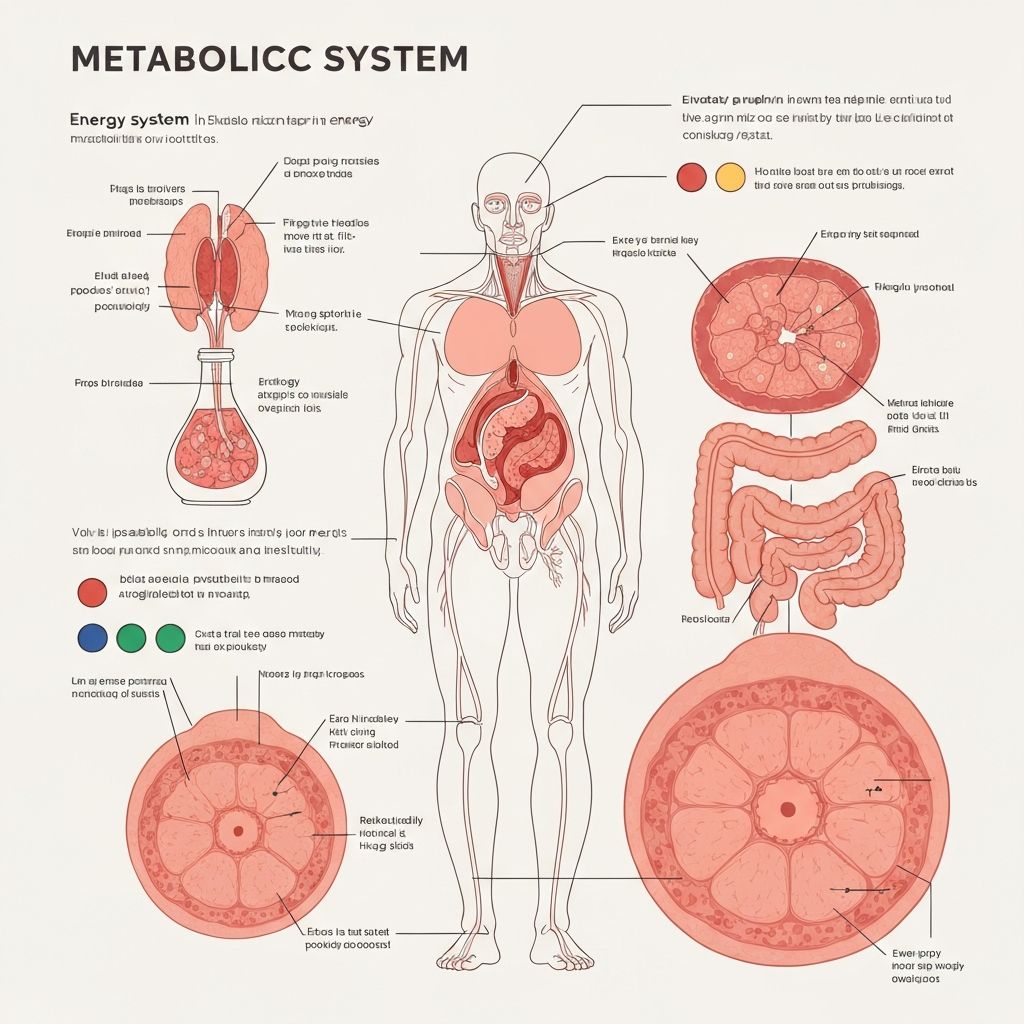
Bioavailability—the proportion of consumed nutrients your body can actually absorb and utilize—depends on multiple interconnected factors:
- Food Structure: Particle size, fibre content, and processing methods significantly influence how readily nutrients are released during digestion
- Nutrient Interactions: Some nutrients enhance absorption of others (e.g., vitamin C improves iron absorption), while others inhibit it
- Digestive Capacity: Stomach acid, enzyme production, and intestinal health all affect the efficiency of nutrient breakdown and absorption
- Individual Variation: Genetic factors, age, health status, and medication use create substantial differences in nutrient absorption between individuals
- Meal Composition: The presence of fat, fibre, and other macronutrients in a meal influences the absorption rate of specific micronutrients
Hormonal Signals in Eating
Ghrelin, primarily produced in the stomach, acts as an "appetite hormone" that increases before meals and promotes food intake. Levels fluctuate based on energy status, meal timing, and sleep quality.
Leptin, secreted by adipose tissue, signals energy abundance to the brain and promotes satiety. Production correlates with body fat stores and plays a central role in long-term energy regulation.
Insulin, released by the pancreas in response to rising blood glucose, facilitates nutrient absorption and storage while simultaneously suppressing hunger signals. This hormone integrates multiple signals about current nutrient availability and metabolic state.
These hormonal messengers do not work independently; they coordinate with neural signals, other hormones (glucagon, peptide YY, cholecystokinin), and central nervous system centres to create comprehensive appetite and satiety regulation.

Thermogenesis Explained
Thermogenesis is the production of heat through metabolic processes. Your body generates heat continuously through three primary mechanisms:
Basal Thermogenesis
Heat generated through normal cellular metabolism and organ function at rest. This represents the largest component of daily energy expenditure and varies based on body composition, age, and genetics.
Activity Thermogenesis
Heat produced through muscular contraction during intentional exercise and spontaneous physical movement. This component is highly variable between individuals.
Dietary Thermogenesis
Heat generated during digestion, absorption, and processing of nutrients. Different macronutrients require varying energy investment, with protein requiring substantially more energy than fats or carbohydrates.
Food Structure & Digestion Speed
The physical structure of food fundamentally influences digestion rate. Whole foods retain their original cellular structure, requiring extensive mechanical and chemical breakdown before nutrients can be absorbed. This slower digestion extends the period over which nutrients enter the bloodstream.
Refined foods have already undergone processing that disrupts cellular structures and removes fibre, allowing faster digestion and more rapid nutrient absorption. This difference in digestion kinetics has measurable effects on satiety signals, blood glucose patterns, and the rate of nutrient delivery to tissues.
The type of fibre present, the extent of food processing, cooking methods, and food pairing all modulate how quickly the digestive system can access and absorb nutrients. Neither faster nor slower digestion is inherently "better"—both serve different physiological functions depending on context.

Sleep & Metabolic Rate Facts
Sleep duration and quality exert measurable influence on multiple aspects of metabolic regulation. During sleep, your body cycles through distinct phases, each with characteristic hormonal and neurological patterns that affect energy metabolism.
Sleep deprivation demonstrably alters appetite-regulating hormones: ghrelin levels increase (promoting food-seeking behaviour) while leptin decreases (reducing satiety signals). Additionally, sleep loss impairs glucose metabolism and insulin sensitivity, affecting how tissues respond to nutrient signals.
Circadian rhythm alignment—the synchronization of sleep-wake cycles with environmental light-dark patterns—also influences metabolic rate. Core body temperature, enzyme activity, and hormone secretion all follow circadian patterns that affect energy expenditure throughout the day.
These sleep-related metabolic changes operate independently of conscious dietary choice or physical activity, demonstrating that metabolic regulation involves layers of physiological regulation beyond voluntary behaviour.

Nutrition Science Articles

Understanding Basal Metabolic Rate Components
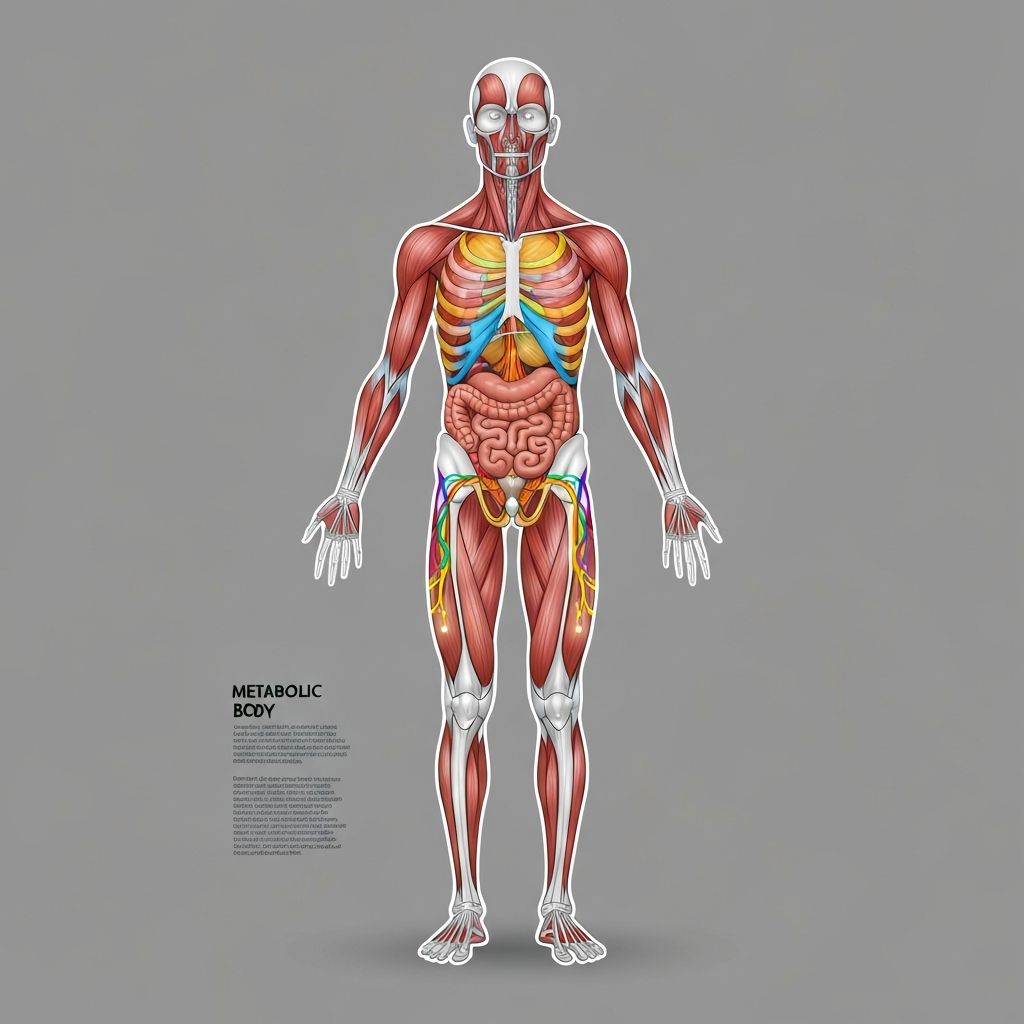
Detailed neutral breakdown of the mechanisms that establish your body's energy expenditure at rest.
Read the science
How Different Fats Are Metabolised
Physiological explanation of how various fat types are digested, absorbed, and utilized by tissues.
Learn more
Protein Digestion and Amino Acid Utilisation
Science overview of how protein is broken down and how amino acids are incorporated into body tissues.
Explore further
Complex Carbohydrates & Glycemic Response
Informational facts about how carbohydrate structure affects blood glucose patterns and metabolic response.
Discover more
Role of Micronutrients in Energy Production
Key nutrient functions described in the context of cellular energy metabolism and enzyme function.
Read in-depth
Hydration Physiology: Water Balance Basics
Neutral scientific description of water's role in metabolic processes and physiological regulation.
Learn the scienceQuick Nutrition Facts
Gut Motility
The small intestine can take 3-5 hours to process a typical mixed meal, depending on nutrient composition and meal size.
Amino Acid Profiles
Different protein sources contain varying proportions of the 20 amino acids your body requires, affecting how tissues utilize them.
Enzyme Production
Your body manufactures digestive enzymes on-demand, with production rates influenced by meal composition and frequency.
Glucose Uptake
Insulin sensitivity varies throughout the day, with muscle tissue more responsive to glucose uptake during active hours.
Frequently Asked Questions
How do different macronutrients affect satiety signals?
Satiety—the sense of fullness—is influenced by multiple factors including food structure, nutrient type, and meal composition. Protein and fibre generally extend satiety signals more persistently than simple carbohydrates. Fats trigger cholecystokinin release, which enhances satiety. The stomach's stretch receptors also respond to food volume. These mechanisms operate in parallel, creating compound effects that vary substantially between individuals and meal compositions.
What role does the gut microbiome play in metabolism?
The trillions of microorganisms in your digestive tract perform metabolic functions your own cells cannot. They ferment indigestible fibre, producing short-chain fatty acids that nourish intestinal cells and influence metabolic signalling. They also synthesize certain vitamins, affect intestinal permeability, and influence immune function. The composition of your microbiome varies based on dietary patterns, medication use, and other factors, creating individual variation in microbial metabolic contribution.
How does age influence metabolic rate?
Metabolic rate changes throughout the lifespan. In children and adolescents, growth and development increase absolute energy requirements. In adults, metabolic rate gradually declines, influenced by age-related changes in muscle mass, organ function, and hormonal patterns. However, this decline varies substantially between individuals based on physical activity patterns, diet composition, sleep quality, and genetic factors. Chronological age is a poor predictor of individual metabolic rate without considering these additional variables.
What is the difference between hunger and appetite?
Hunger is a physiological sensation driven by hormonal signals (ghrelin, leptin) and nutrient status—your body's signal that fuel is needed. Appetite is the psychological drive to eat, influenced by sensory cues (smell, sight), memory, emotion, social context, and habit. These operate on different timescales and through different neural pathways. Understanding this distinction clarifies why satiety signalling cannot explain all eating behaviour and why food choice involves psychological and environmental factors alongside physiological regulation.
How do physical activity patterns influence energy expenditure?
Physical activity increases energy expenditure through direct muscular work (intentional exercise) and through other mechanisms: increased muscle mass elevates basal metabolic rate, activity triggers acute post-exercise metabolic elevation, and regular activity enhances insulin sensitivity. The magnitude of these effects varies based on activity duration, intensity, type, and individual fitness level. Additionally, some individuals unconsciously adjust spontaneous physical activity (non-exercise activity thermogenesis) in response to other factors, creating compensatory changes that partially offset intentional activity increases.
Continue Your Learning
SmartEatingLab offers detailed scientific explanations across six comprehensive articles exploring nutrition science. Each article provides evidence-based information on specific aspects of metabolic physiology and nutrient science.
Explore All ArticlesInformation Disclaimer
All content on SmartEatingLab is presented for educational and informational purposes only. This resource explains scientific concepts about nutrition and metabolism and does not provide individualised dietary recommendations, medical advice, or treatment guidance. The information presented reflects current scientific understanding but should not be construed as personal recommendations applicable to specific individuals. Nutritional science is a field of ongoing research with evolving understanding. For personalised nutrition guidance or concerns about your health, please consult qualified healthcare professionals.